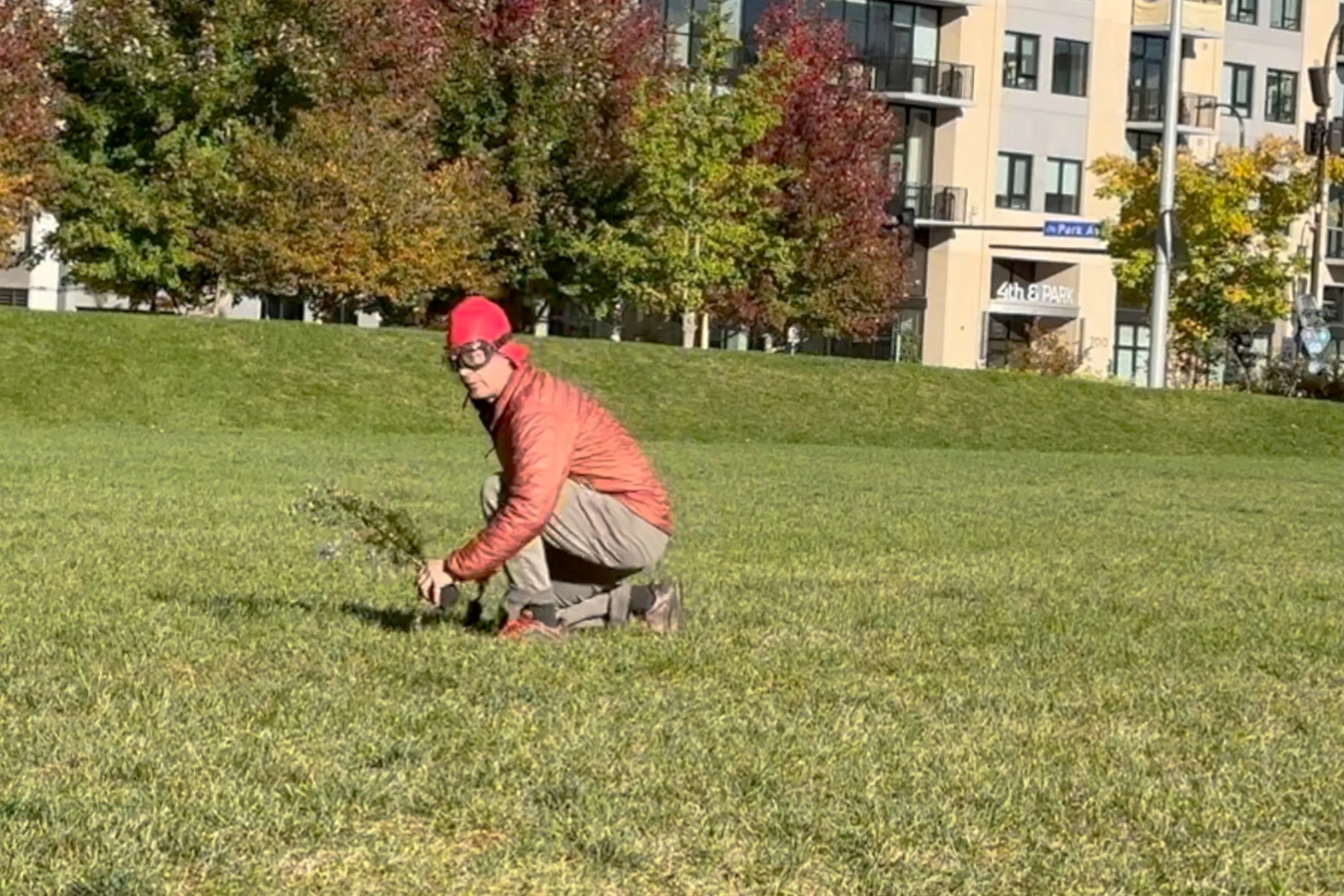
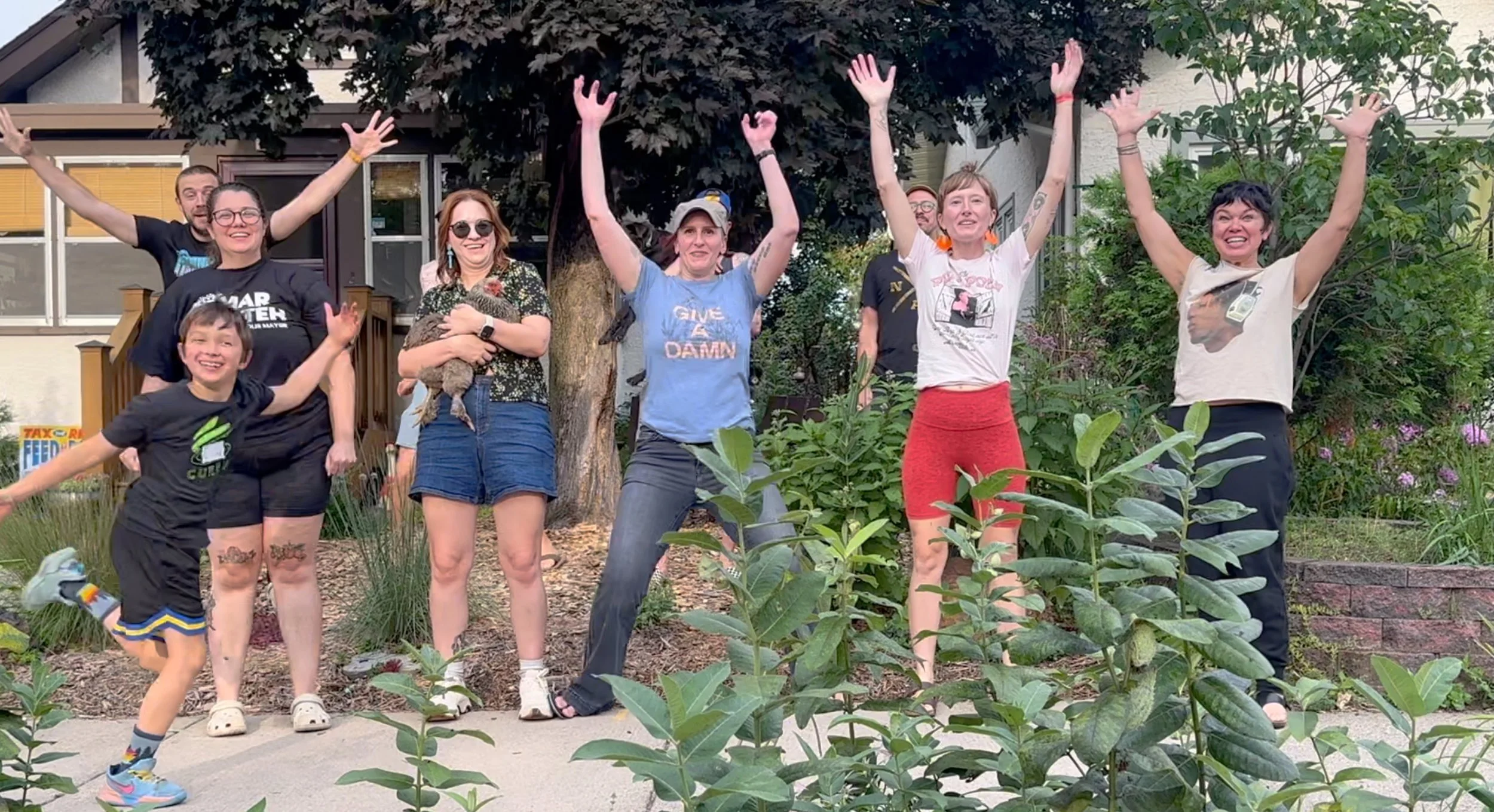
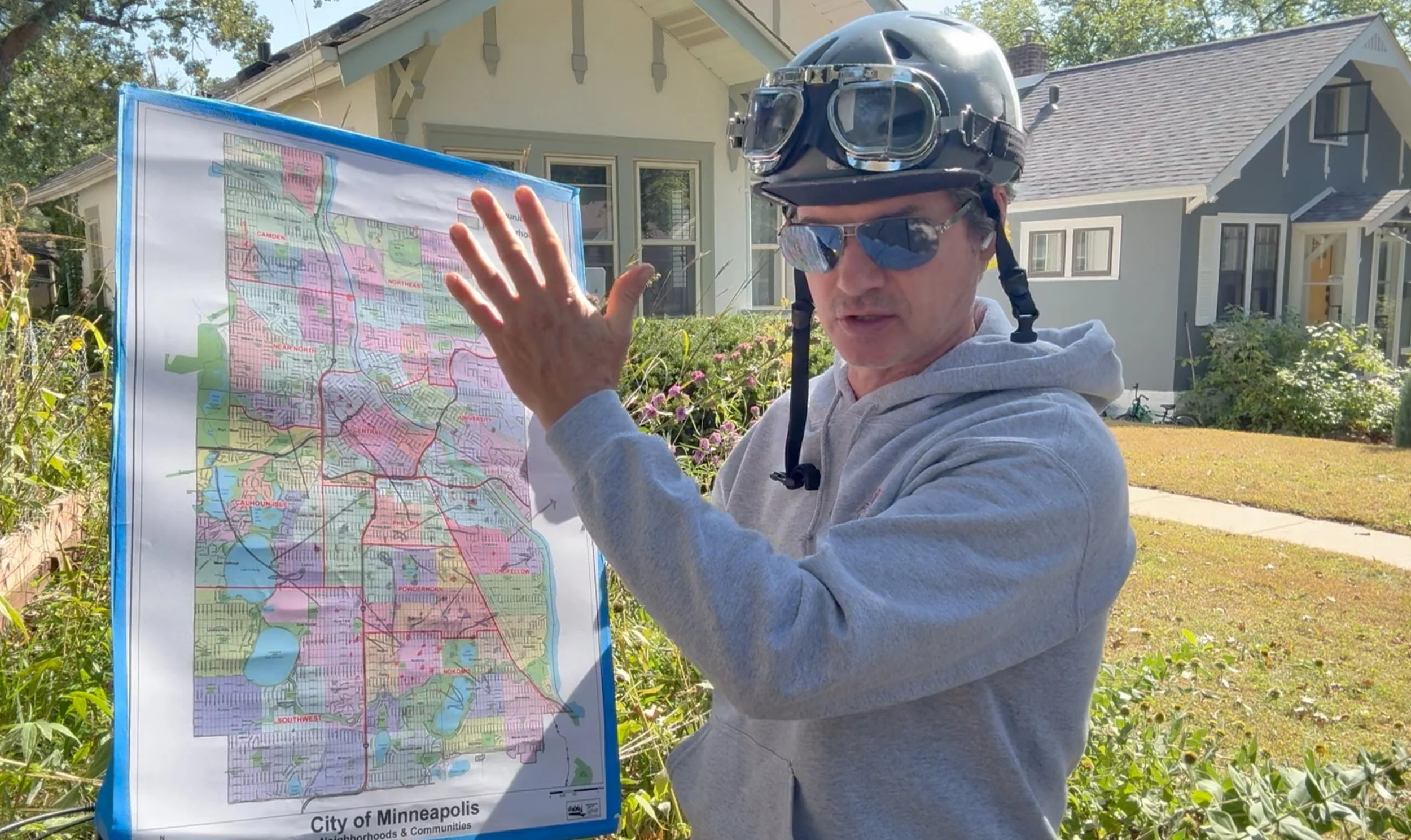
Last Summer, I biked through all 88 Minneapolis neighborhoods and began to document the surprising growth of native habitat gardens. To my surprise, I found them on most residential blocks! I am making a documentary to explore what it is that motivates our communities to re-wild their yards, boulevards, and public spaces and re-establish a relationship with the land. The Animacy Project will also explore how language and culture impact one’s relationship with the natural world. Because I live on Dakota land in Minneapolis, I will feature conversations with Dakota elder to seek to understand how their language speaks of all that is wild with respect, kinship; as someones, not somethings.
Animacy Project
Here’s the Animacy documentary preview featuring Minneapolis gardeners. I aim to explore what is motivating the rapid rise in native habitat restoration. My theory is that people are hungry to re-connect with the earth, and that if we all go back far enough, we all were once much more connected to the land. The documentary will also feature members of the Dakota community speaking about how the Dakota language refers to all that is wild as their “relatives,” and what we can learn from them.
“To speak of the wild, as we speak of ourselves, is to care for the land - the hand that feeds us life!”
In 2021 I watched Robin Wall Kimmerer give a virtual presentation on her book “Braiding Sweetgrass” at the Minneapolis Institute of Arts. Robin’s book got me thinkin’ a lot about the importance of reciprocity between us humans and the wild, as well as how language affects how we interact and treat the natural world. Robin calls this concept the “Grammar of Animacy.” She posits that because many Indigenous languages assign pronouns (he/she/they whatever) to plants and animals of all kinds, that this is the reason Indigenous cultures thrived together with the wild since time immemorial. We English speakers face a challenge in that we don’t have these same pronouns when speaking about the wild, and so we refer to that cool tree over there as an “it.” But if we spoke of that tree with a lil’ respect, we’d probably think twice before, say, cutting it down. Refer to that cool tree as an ‘it,’ is to treat it like ‘shit.’” Get it? Ha! It is my belief that we’re in this environmental pickle, in part, because we don’t speak of that which sustains us with much respect.
In 2023 I began to write songs about these topics. One song emerged in particular that just would not let me go until I got it right! I call it “Animacy For All The Wild.” It’s a kind of call-2-action for us all to “level-up” our care for the natural world; a world in which we live, but often falsely think we are separate from. I met Robin at a book signing when I was in the middle of writing and recording “Animacy For All The Wild.” I recall how I gushed to her about how “Braiding Sweetgrass” affected me so profoundly, and that I was writing a song about her “Grammar of Animacy” concept. After our interaction I thought to myself: “Wow, man, she must think I’m a knucklehead cuz I gushed on and on about her book with tears in my eyes, and she couldn’t even get a word in edgewise! After her presentation, she was kind enough to listen to me sing the song’s refrain:
“To speak of the wild, as we speak of ourselves, is to care for the land - the hand that feeds us life!”
It was around this time that I began to take note of the many native gardens around Minneapolis, as well as the many volunteers I saw removing invasive plants like buckthorn. I noticed so many in fact, that I thought “hey, this is a story worth telling with song and video!”
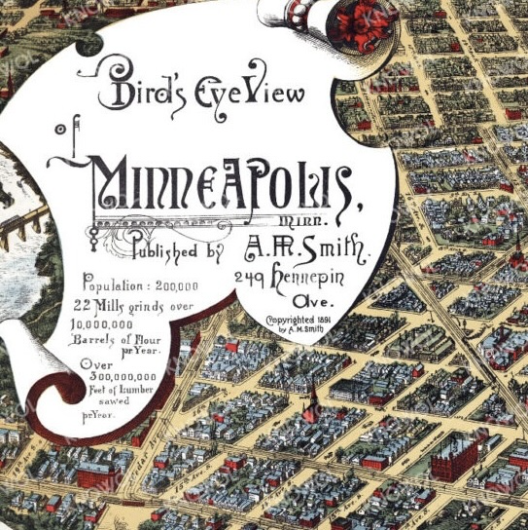
The story I want to tell is what I see as a mindset shift away from a Minneapolis that once championed environmental exploitation (as seen below in this 1891 map legend that boasts about deforestation) and towards a Minneapolis today whereby all the native habitat gardens send a strong message that residents really value a connection to the wild. Over the summer of 2025 I biked around all 83 Minneapolis neighborhoods and captured on video what I think is a kind of city-wide passion for the wild, and for each other. I was surprised to find native gardens on most residential city blocks.
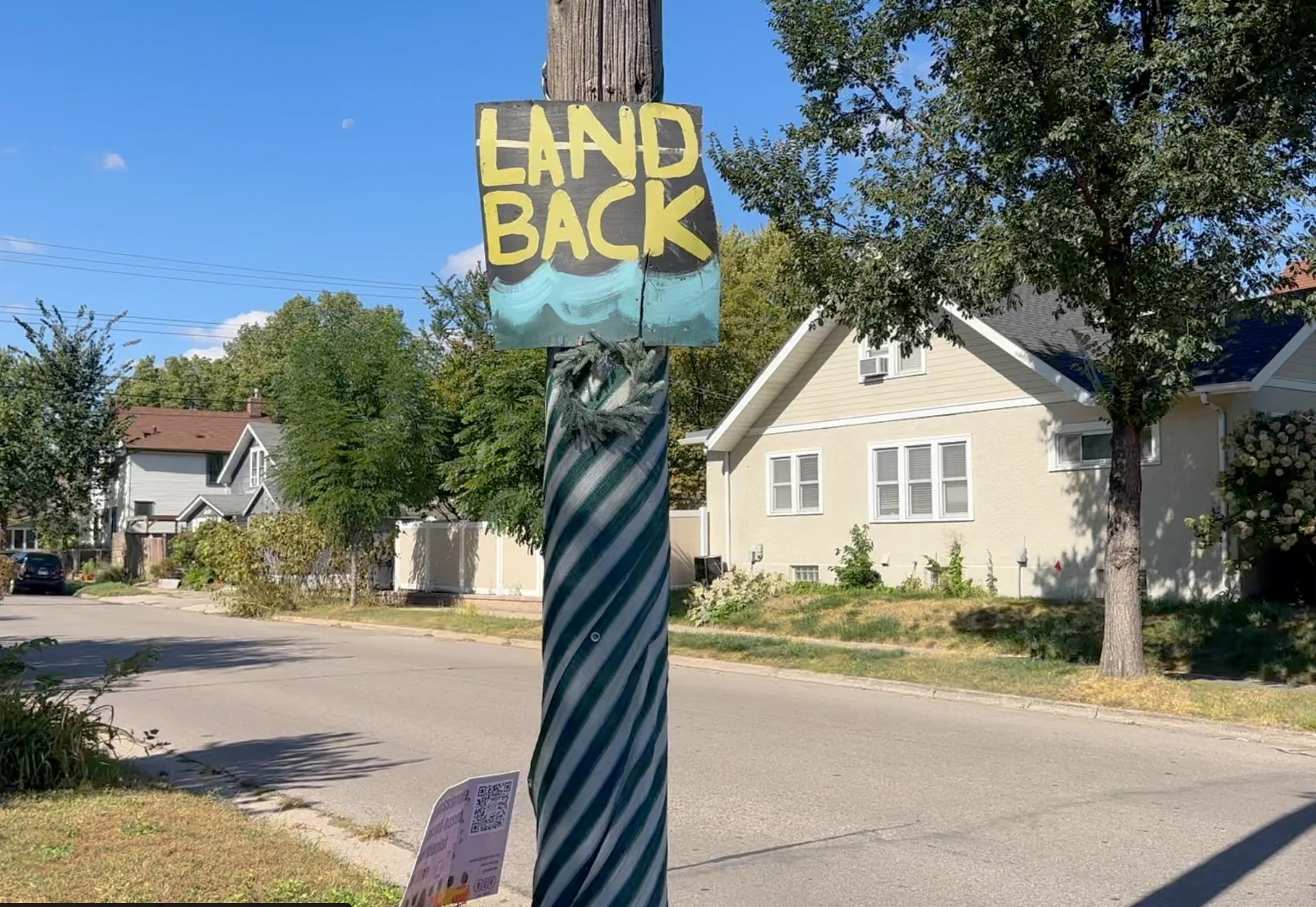
My hope is that this project will serve as an antidote to the many depressing environmental stories we hear on a regular basis, and that it will serve to inspire others to champion their own habitat restoration efforts.